
Thutho Cow Breed in India | Origin, Farming Uses
Learn about Thutho Cow Breed in India, including origin, characteristics, milk production, adaptability, advantages, and farming value.
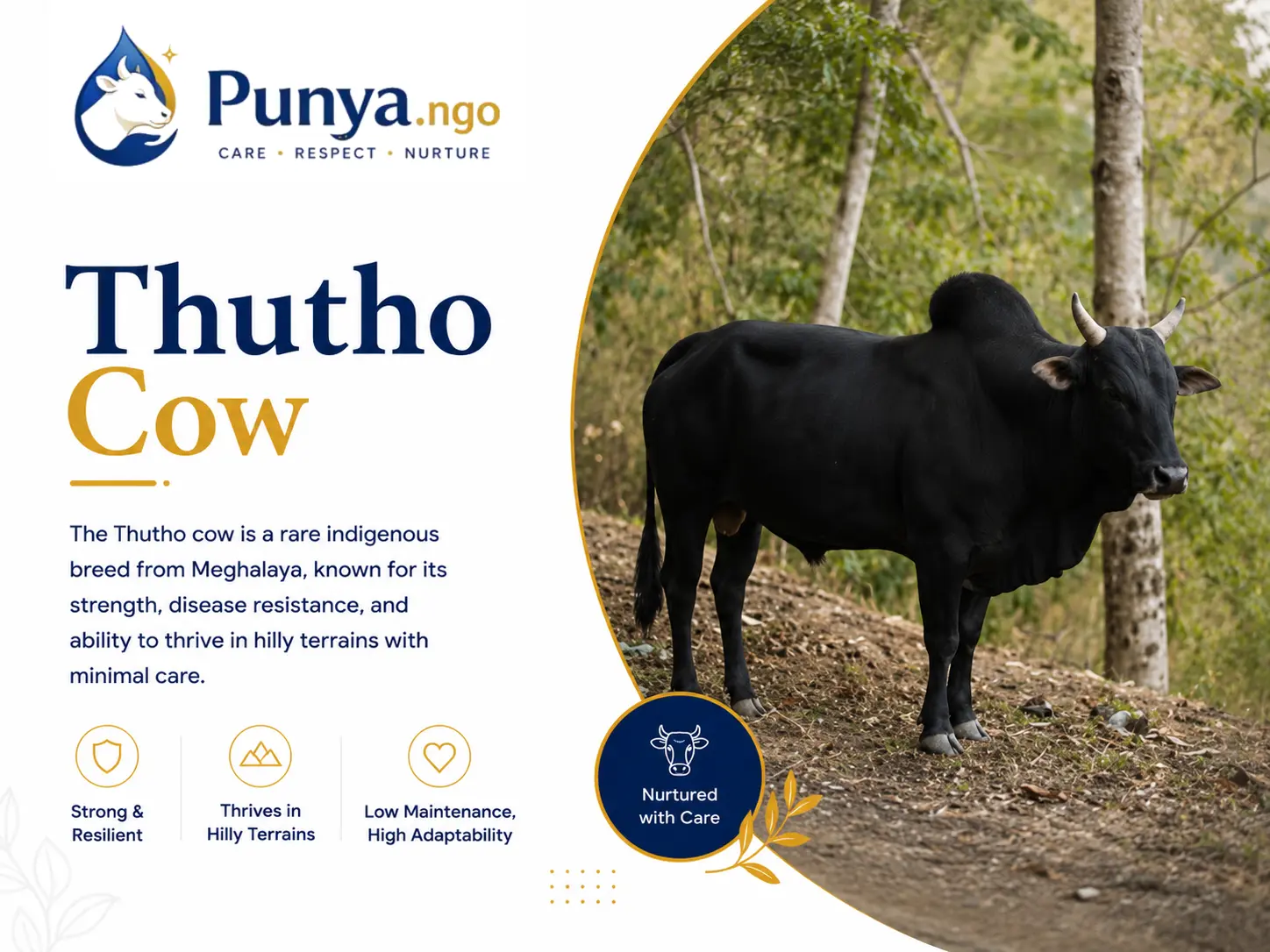
India has one of the richest cattle heritages in the world. From the famous Gir and Sahiwal breeds to many lesser-known indigenous cattle varieties, native Indian cows have supported agriculture, dairy farming, and rural livelihoods for centuries. Among these traditional cattle types, the Thutho Cow Breed in India has gained attention among farmers looking for hardy, adaptable, and low-maintenance livestock.
Choosing the right cattle breed is one of the most important decisions for any farmer. A cow that is well-suited to local conditions can reduce feeding costs, stay healthier, and contribute to long-term farm sustainability. This is why many experienced cattle owners prefer native Indian cow breeds over imported varieties.
The Thutho Cow Breed in India is valued for its ability to adapt to local environments, utilize available fodder efficiently, and thrive under traditional farming systems. While it may not be as widely recognized as some commercial dairy breeds, it remains an important part of indigenous livestock resources in certain regions.
Whether you are a first-time cattle buyer, a dairy farmer, or someone interested in sustainable livestock farming, this guide will help you understand the history, characteristics, management practices, and benefits of the Thutho Cow Breed in India.
Quick Facts About Thutho Cow Breed in India
| Feature | Details |
|---|---|
| Breed Type | Indigenous cattle breed |
| Origin | India |
| Category | Native Indian cow |
| Primary Use | Milk production and farming support |
| Climate Suitability | Hot and tropical regions |
| Temperament | Calm and manageable |
| Maintenance Level | Moderate |
| Grazing Ability | Good |
| Disease Resistance | Better than many exotic breeds |
| Suitable For | Small and medium farmers |
What Is the Thutho Cow Breed in India?
The Thutho Cow Breed in India is an indigenous cattle variety known for its adaptability, resilience, and usefulness in traditional farming systems. Farmers appreciate the breed for its ability to perform well under local climatic conditions while requiring relatively lower management inputs compared to some high-maintenance foreign breeds.
History and Origin of Thutho Cow Breed in India
Understanding a breed's history helps farmers appreciate its strengths and practical value.
Like many native Indian cow breeds, the Thutho Cow Breed in India developed naturally over generations. Local farmers selected animals based on characteristics such as survival ability, fertility, disease resistance, and productivity rather than focusing only on high milk output.
This traditional selection process resulted in cattle that were highly adapted to local environmental conditions.
Role in Traditional Farming
Historically, indigenous cattle played multiple roles in village economies:
- Milk production for household consumption
- Organic manure for agriculture
- Breeding and herd improvement
- Support for mixed farming systems
- Economic security for rural families
The Thutho Cow Breed in India became valuable because it could contribute to several of these functions simultaneously.
Importance of Indigenous Livestock Resources
Today, there is renewed interest in indigenous cattle breeds because they support:
- Sustainable dairy farming
- Organic agriculture
- Climate-resilient livestock systems
- Low-input farming practices
As awareness grows about livestock sustainability in India, many farmers are revisiting traditional breeds such as the Thutho Cow Breed in India.
Physical Appearance of Thutho Cow Breed in India
One of the most recognizable aspects of the Thutho Cow Breed in India is its sturdy and practical body structure.
Native cattle often evolve traits that help them survive in challenging conditions. As a result, their appearance reflects functionality rather than purely commercial breeding goals.
General Body Features
The breed typically displays:
- Strong skeletal structure
- Well-developed legs
- Moderate hump
- Durable hooves
- Deep chest
- Good body balance
These features contribute to the breed's endurance and mobility.
Head and Face
Healthy animals usually have:
- Bright and alert eyes
- Medium-sized ears
- Well-shaped forehead
- Moist nose
- Active facial expression
Experienced farmers often assess overall health by observing these physical characteristics.
Skin Characteristics
The skin of the Thutho Cow Breed in India is generally well-adapted to tropical environments.
Benefits include:
- Better heat tolerance
- Improved resistance to environmental stress
- Adaptability to outdoor grazing conditions
Size, Weight, and Coat Characteristics
Average Body Size
The Thutho Cow Breed in India is generally considered a medium-sized cattle breed.
This size offers several advantages:
- Lower feeding costs
- Easier management
- Better adaptability
- Efficient feed conversion
Weight Range
Body weight varies depending on:
- Genetics
- Nutrition
- Age
- Management practices
- Health status
Animals raised under good feeding programs tend to achieve healthier body condition and productivity.
Coat Color
Different animals may display variations in coat color, including:
- Light grey
- Brown shades
- Mixed patterns
- White-grey combinations
These natural color variations are common among indigenous cattle populations.
Why Size Matters
Many first-time buyers focus only on body size. However, experienced livestock owners understand that productivity, fertility, and adaptability are often more important than sheer size.
This is one reason why the Thutho Cow Breed in India continues to appeal to practical farmers.
Temperament and Personality
What Is the Temperament of the Thutho Cow?
The Thutho Cow Breed in India is generally known for having a manageable temperament.
Most well-raised animals display:
- Calm behavior
- Alertness
- Adaptability
- Good grazing instincts
- Cooperative nature
Why Temperament Matters
A calm cow offers several benefits:
- Easier milking
- Reduced stress
- Better handling safety
- Lower risk of injuries
- Improved farm management
Suitable for Family Farms
Many small Indian farms rely on family members for cattle management.
Because of its manageable behavior, the Thutho Cow Breed in India can be a practical choice for:
- Small dairy units
- Family-operated farms
- Traditional village farming systems
Thutho Calf Temperament
Young calves that receive proper handling often become easier to manage as adults.
Early socialization helps create:
- Trust
- Confidence
- Better adaptability
This is an important aspect of successful Thutho calf care.
Why Thutho Cow Breed in India Is Popular
The growing interest in native Indian cows has increased awareness about the Thutho Cow Breed in India.
Several factors contribute to its popularity.
1. Adaptability to Local Conditions
One of the biggest advantages is climate adaptability.
The breed is better suited to Indian conditions than many imported cattle breeds.
2. Lower Input Requirements
Farmers often appreciate cattle that can perform well without excessive spending on feed and management.
3. Disease Resistance
Many indigenous cattle breeds possess stronger natural resistance to local diseases.
This characteristic can reduce veterinary expenses and management challenges.
4. Suitable for Sustainable Dairy Farming
The breed supports:
- Organic farming
- Natural manure production
- Eco-friendly agriculture
- Low-input dairy systems
5. Valuable for Rural Livelihoods
For many rural families, cattle are more than milk-producing animals.
They represent:
- Financial security
- Agricultural support
- Household nutrition
- Long-term assets
Thutho Price in India
What Is the Price of a Thutho Cow in India?
The price of a Thutho cow depends on several factors and can vary significantly across regions.
Factors Affecting Thutho Cow Price
These include:
- Age
- Breed quality
- Milk production
- Health condition
- Pregnancy status
- Vaccination history
- Local demand
Types of Animals and Their Market Value
Buyers may encounter:
- Thutho calf
- Breeding heifer
- Lactating cow
- Pregnant cow
- Breeding bull
Each category commands a different price range.
Buying Tip
Never purchase an animal solely because it appears inexpensive.
Instead, evaluate:
- Health status
- Physical condition
- Breeding history
- Feeding practices
- Veterinary records
This simple approach can prevent costly mistakes.
How to Choose a Healthy Thutho Calf or Cow
Selecting the right animal is critical for long-term success.
Signs of a Healthy Thutho Calf
Look for:
- Bright eyes
- Smooth coat
- Strong legs
- Good appetite
- Active movement
Signs of a Healthy Adult Cow
A healthy cow should have:
- Good body condition
- Healthy udder
- Normal breathing
- Clean skin
- Active behavior
Questions to Ask Before Buying
Ask the seller:
- What is the cow's age?
- Has the animal been vaccinated?
- What feed is currently provided?
- What is the milk yield history?
- Has the animal experienced recent illness?
These questions help verify management quality.
Warning Signs to Avoid
Avoid animals showing:
- Persistent coughing
- Lameness
- Nasal discharge
- Severe weight loss
- Skin infections
- Eye problems
Feed and Nutrition Guide
What Does a Thutho Cow Eat?
Proper nutrition is one of the most important factors affecting productivity, fertility, and health.
The feeding program for the Thutho Cow Breed in India should focus on balanced nutrition rather than excessive feeding.
Green Fodder
Green fodder forms the foundation of a healthy diet.
Examples include:
- Napier grass
- Sorghum
- Maize fodder
- Cowpea fodder
- Berseem
Benefits include:
- Vitamins
- Minerals
- Moisture
- Digestible nutrients
Dry Fodder
Dry fodder supports digestive health.
Common options include:
- Wheat straw
- Paddy straw
- Dry grasses
Concentrate Feed
When higher production is required, concentrate feed may be added.
Examples include:
- Oil cakes
- Grain mixtures
- Commercial cattle feed
Mineral Supplementation
Mineral mixtures support:
- Fertility
- Growth
- Milk production
- Bone strength
Water Requirements
Clean drinking water must always be available.
During summer, water consumption can increase significantly.
Practical Feeding Tip
Farmers who maintain a consistent feeding schedule often observe:
- Better feed utilization
- Improved milk production
- Healthier calves
- Reduced digestive disorders
This practical observation comes from years of successful livestock management across India.
Grooming and Hygiene Needs
Good hygiene directly affects productivity and animal welfare.
Benefits of Grooming
Regular grooming helps:
- Remove dirt
- Improve circulation
- Detect injuries
- Maintain skin health
Clean Housing
A proper cattle shed should provide:
- Ventilation
- Drainage
- Dry flooring
- Protection from extreme weather
Udder Hygiene
Proper udder care is essential.
Always:
- Clean before milking
- Inspect for swelling
- Monitor for infections
These practices help maintain milk quality and animal health.
Training and Handling Tips
How to Train a Thutho Cow?
Training should begin early in life.
Use Positive Handling Methods
Avoid:
- Beating
- Excessive force
- Stressful handling
Instead:
- Speak calmly
- Follow routines
- Build trust gradually
Importance of Consistency
Cattle respond well to predictable management.
Farmers who interact regularly with their animals often experience smoother handling and reduced stress.
Daily Care Requirements
Daily management plays a major role in maintaining the productivity of the Thutho Cow Breed in India.
Morning Routine
- Fresh water
- Feeding
- Health inspection
- Shed cleaning
Afternoon Care
- Grazing opportunities
- Shade access
- Water availability
Evening Routine
- Final feeding
- Health check
- Comfortable resting space
Daily Observation Checklist
Monitor:
- Appetite
- Milk production
- Breathing
- Movement
- Behavior
Early detection of problems can significantly reduce treatment costs and improve overall herd health.
By following these management practices, farmers can help the Thutho Cow Breed in India remain healthy, productive, and profitable throughout its life.
Thutho Cow Milk Yield
How Much Milk Does a Thutho Cow Produce?
One of the most frequently asked questions about the Thutho Cow Breed in India is related to milk production. Farmers naturally want to know whether the breed can support household needs or contribute to a profitable dairy business.
The milk yield of the Thutho Cow Breed in India depends on several factors, including genetics, feeding practices, health management, climate, and overall care. Like many native Indian cow breeds, this breed is valued not only for milk quantity but also for its adaptability and lower maintenance requirements.
Factors Affecting Milk Yield
The following factors influence milk production:
- Quality of feed and fodder
- Availability of clean drinking water
- Breed purity
- Lactation stage
- Disease management
- Stress levels
- Seasonal changes
Farmers who provide balanced nutrition and regular health care often achieve better productivity.
Milk Quality
Many indigenous cattle breeds are appreciated for producing milk that is suitable for traditional household consumption. Proper feeding and management contribute significantly to milk quality and consistency.
Lactation Management Tips
To maintain healthy milk production:
- Provide balanced nutrition.
- Avoid sudden feed changes.
- Ensure regular veterinary checkups.
- Reduce stress during milking.
- Maintain udder hygiene.
Health Problems and Preventive Care
Is the Thutho Cow Breed Prone to Diseases?
One reason many farmers choose the Thutho Cow Breed in India is its natural adaptability and resilience. Indigenous cattle generally handle local environmental conditions better than many exotic breeds.
However, no cattle breed is completely immune to health issues.
Common Health Problems
Some health concerns that may occur include:
- Digestive disorders
- Internal parasites
- External parasites
- Foot problems
- Skin infections
- Reproductive issues
- Udder infections
Signs of Illness
Farmers should immediately investigate if a cow shows:
- Reduced appetite
- Fever
- Excessive salivation
- Difficulty walking
- Sudden drop in milk production
- Unusual behavior
- Rapid breathing
Preventive Health Measures
Good management reduces disease risks significantly.
Important preventive practices include:
- Regular vaccination
- Deworming
- Clean housing
- Balanced nutrition
- Clean drinking water
- Routine veterinary care
Expert Tip
Experienced livestock owners know that prevention is always cheaper than treatment. Regular monitoring helps identify problems before they become serious.
Vaccination Schedule for Thutho Cows
Why Vaccination Matters
Vaccination is one of the most important investments in cattle health.
A proper vaccination schedule protects the Thutho Cow Breed in India from major infectious diseases that can affect productivity and survival.
Common Vaccinations Recommended
Depending on regional veterinary guidelines, vaccinations may include:
- Foot and Mouth Disease (FMD)
- Hemorrhagic Septicemia (HS)
- Black Quarter (BQ)
- Brucellosis
- Other locally recommended vaccines
General Vaccination Guidelines
- Follow state veterinary recommendations.
- Maintain vaccination records.
- Vaccinate healthy animals only.
- Use qualified veterinary professionals.
Deworming Schedule
In addition to vaccination, regular deworming helps:
- Improve growth
- Enhance feed efficiency
- Support reproductive health
- Maintain productivity
Consult a veterinarian for location-specific schedules.
Thutho and Indian Climate
Is Thutho Cow Suitable for Indian Climate?
Yes. One of the strongest advantages of the Thutho Cow Breed in India is its adaptability to local climatic conditions.
This breed has developed under Indian environmental conditions and therefore possesses characteristics that support survival and productivity in warm regions.
Climate Adaptation Benefits
The breed generally demonstrates:
- Heat tolerance
- Efficient grazing behavior
- Better adaptation to local fodder
- Strong environmental resilience
Summer Management Tips
During hot weather:
- Provide shade.
- Ensure continuous water availability.
- Avoid excessive physical stress.
- Offer green fodder whenever possible.
Monsoon Management Tips
During rainy seasons:
- Keep sheds dry.
- Prevent waterlogging.
- Control parasites.
- Maintain clean flooring.
These simple practices support year-round health.
Shed/Stable vs Open Grazing Suitability
Which System Is Better for the Thutho Cow Breed?
The Thutho Cow Breed in India performs well under both controlled housing and grazing-based systems.
Benefits of Open Grazing
Open grazing allows cattle to:
- Exercise naturally
- Access fresh forage
- Exhibit natural behavior
- Improve overall fitness
Benefits of Shed-Based Management
Proper housing provides:
- Protection from extreme weather
- Easier feeding management
- Better disease control
- Improved monitoring
Best Approach
Many successful farmers combine both systems:
- Grazing during suitable hours
- Shed housing during extreme weather
This balanced approach often produces the best results.
Compatibility with Families and Farm Use
Is Thutho Cow Suitable for Family Farms?
The Thutho Cow Breed in India is often considered suitable for family-operated farms due to its manageable temperament and practical maintenance requirements.
Why Families Prefer Native Breeds
Benefits include:
- Familiar management practices
- Lower maintenance needs
- Better adaptation to local conditions
- Reduced dependency on expensive inputs
Farm Utility
Apart from milk production, indigenous cattle contribute through:
- Organic manure
- Breeding programs
- Livestock asset value
- Sustainable agriculture support
This versatility makes the breed valuable in mixed farming systems.
Lifespan and Long-Term Care
How Long Does a Thutho Cow Live?
The lifespan of the Thutho Cow Breed in India depends largely on management quality.
Factors affecting longevity include:
- Nutrition
- Veterinary care
- Housing
- Genetics
- Environmental conditions
Long-Term Care Practices
To maximize lifespan:
- Follow vaccination schedules.
- Maintain proper nutrition.
- Conduct regular health checks.
- Provide clean shelter.
- Minimize stress.
Importance of Longevity
A longer productive life can improve farm profitability by reducing replacement costs and increasing overall returns.
Monthly Maintenance Cost in India
What Is the Monthly Cost of Keeping a Thutho Cow?
The monthly maintenance cost of the Thutho Cow Breed in India varies depending on:
- Feed prices
- Fodder availability
- Veterinary expenses
- Labor costs
- Housing systems
Major Cost Components
Feed Expenses
Usually the largest recurring expense.
Veterinary Care
Includes:
- Vaccination
- Deworming
- Health checkups
Housing Costs
Expenses may include:
- Bedding
- Repairs
- Cleaning supplies
Miscellaneous Costs
- Transportation
- Equipment
- Breeding expenses
Cost-Saving Tips
Farmers can reduce expenses by:
- Growing fodder on-farm
- Maintaining preventive healthcare
- Practicing efficient grazing management
Common Mistakes New Owners Make
First-time cattle owners often make avoidable mistakes.
1. Buying Without Proper Inspection
Never purchase an animal without evaluating its health and history.
2. Ignoring Nutrition
Poor feeding reduces productivity and increases disease risk.
3. Delaying Vaccination
Skipping preventive healthcare can lead to costly problems.
4. Poor Housing Conditions
Wet and dirty sheds increase disease risks.
5. Lack of Record Keeping
Maintaining records helps track:
- Health
- Breeding
- Vaccination
- Productivity
6. Overlooking Water Requirements
Water is essential for digestion, health, and milk production.
Travel and Transport Tips for Cows
How to Transport a Thutho Cow Safely
Transportation can be stressful for cattle if not managed properly.
Before Transport
- Check health status.
- Provide adequate hydration.
- Use proper identification.
During Transport
- Avoid overcrowding.
- Ensure ventilation.
- Minimize travel stress.
After Arrival
- Allow rest.
- Provide clean water.
- Monitor health closely.
Proper transportation protects animal welfare and productivity.
Difference Between Thutho and Other Indian Cow Breeds
Many buyers compare the Thutho Cow Breed in India with other indigenous cattle breeds before making a purchase.
| Feature | Thutho | Gir | Sahiwal | Rathi | Tharparkar |
|---|---|---|---|---|---|
| Adaptability | High | High | High | High | High |
| Heat Tolerance | Excellent | Excellent | Excellent | Excellent | Excellent |
| Maintenance | Moderate | Moderate | Moderate | Moderate | Moderate |
| Grazing Ability | Good | Good | Good | Good | Good |
| Native Adaptation | Strong | Strong | Strong | Strong | Strong |
Which Breed Is Better?
There is no universal answer.
The best breed depends on:
- Climate
- Farm size
- Feeding resources
- Management skills
- Production goals
Why Native Indian Cow Breeds Are Better for Indian Climate
Climate Adaptation
Native Indian cows have evolved under local environmental conditions for centuries.
Benefits of Indigenous Cattle Breeds
- Better heat tolerance
- Improved disease resistance
- Efficient use of local fodder
- Lower management costs
- Sustainability advantages
Importance for Modern Farming
As climate challenges increase, many experts believe indigenous cattle breeds will play a critical role in future livestock systems.
The Thutho Cow Breed in India represents this growing movement toward climate-resilient livestock farming.
Pros and Cons of Thutho Cow Breed in India
Advantages
- Adaptable to Indian climate
- Good grazing ability
- Indigenous breed characteristics
- Lower maintenance compared to many exotic breeds
- Better disease resistance
- Suitable for small farmers
- Supports sustainable dairy farming
Disadvantages
- Lower recognition compared to popular breeds
- Availability may vary by region
- Limited documented data compared to major dairy breeds
- Productivity depends heavily on management quality
Frequently Asked Questions (FAQs)
1. What is the Thutho Cow Breed in India?
The Thutho Cow Breed in India is an indigenous cattle variety valued for adaptability, resilience, and suitability for traditional farming systems.
2. Is Thutho Cow a Native Indian Breed?
Yes, it belongs to the category of native Indian cow breeds.
3. What Is the Average Thutho Cow Price in India?
Prices vary depending on age, health, milk production, and region.
4. How Much Milk Does a Thutho Cow Produce?
Milk production varies according to nutrition, genetics, and management practices.
5. Is Thutho Cow Good for Small Farmers?
Yes. Many small farmers appreciate its adaptability and moderate maintenance requirements.
6. What Does a Thutho Cow Eat?
The diet generally includes green fodder, dry fodder, concentrates, minerals, and clean water.
7. Is Thutho Cow Suitable for Hot Weather?
Yes. The breed is considered well-adapted to Indian climatic conditions.
8. How Long Does a Thutho Cow Live?
Lifespan depends on management quality, nutrition, and healthcare.
9. Does Thutho Cow Require Regular Vaccination?
Yes. Vaccination is essential for maintaining herd health and preventing infectious diseases.
10. Is Thutho Cow Suitable for Organic Farming?
Yes. Indigenous cattle are often preferred in sustainable and organic farming systems.
11. What Are the Main Benefits of the Thutho Cow Breed in India?
Key benefits include adaptability, disease resistance, grazing ability, and suitability for local conditions.
12. Why Are Native Indian Cow Breeds Important?
Native breeds support biodiversity, climate resilience, sustainable agriculture, and rural livelihoods.
Final Thoughts
The Thutho Cow Breed in India represents the strength and practicality of indigenous livestock resources. In an era where sustainable agriculture and climate-resilient farming are becoming increasingly important, native cattle breeds deserve renewed attention.
For farmers, the Thutho Cow Breed in India offers several advantages, including adaptability, resilience, efficient utilization of local resources, and compatibility with traditional farming systems. While success ultimately depends on proper management, nutrition, healthcare, and housing, this breed has characteristics that make it attractive to many rural households and livestock owners.
Whether your goal is household milk production, sustainable dairy farming, livestock diversification, or preserving native Indian cow breeds, the Thutho Cow Breed in India can be a valuable addition to a well-managed farm. By investing in proper care, preventive healthcare, and responsible breeding practices, farmers can support both their livelihoods and the conservation of India's rich cattle heritage.