Festivals Dedicated to Cows in India | Cow Worship Festivals
Discover the major festivals dedicated to cows in India, their history, rituals, spiritual significance, Krishna connection, and cultural importance in Hinduism.
Festivals Dedicated to Cows in India | Complete Guide to Hindu Cow Worship Festivals
Quick Answer:
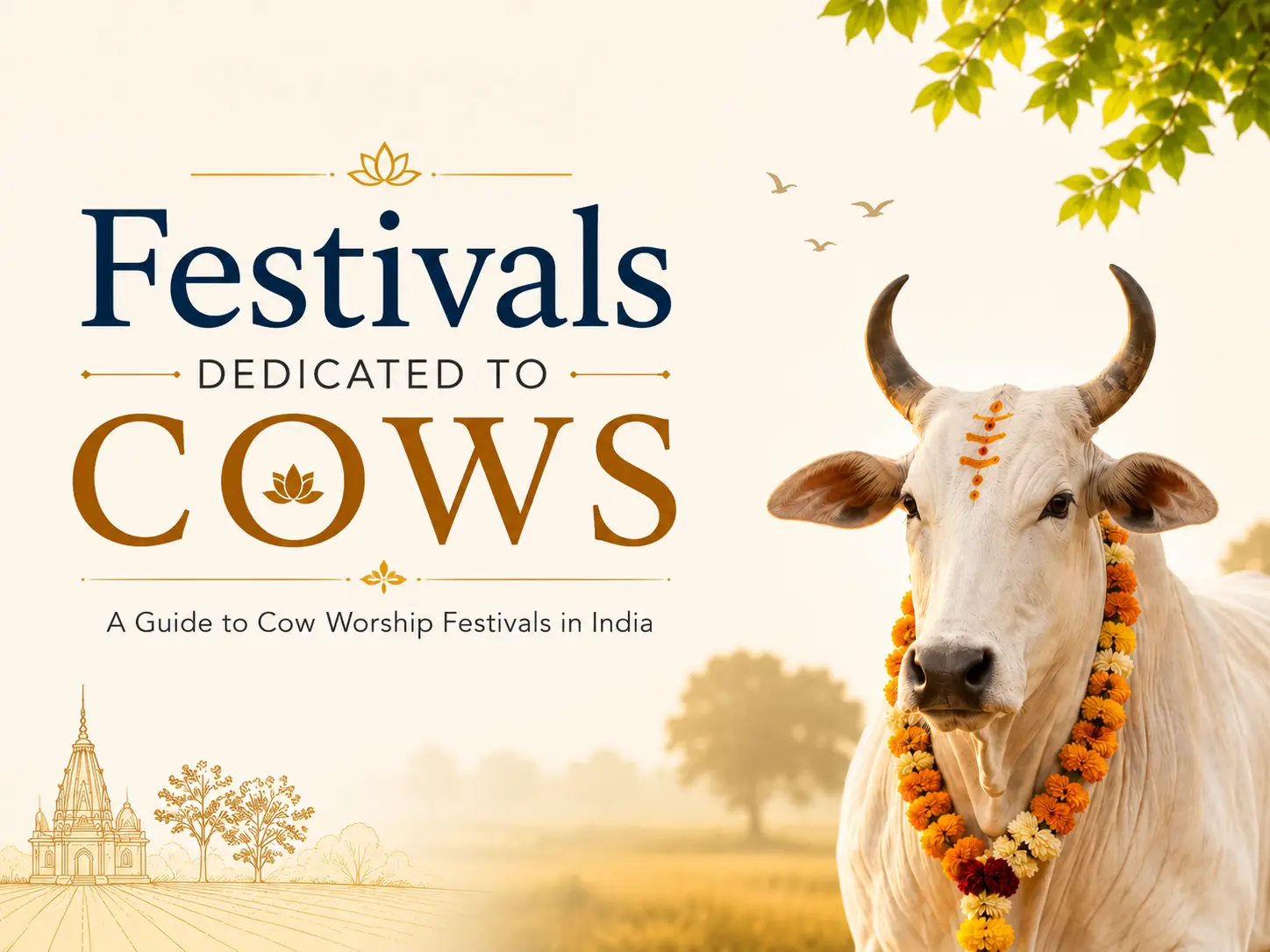
Festivals dedicated to cows are Hindu festivals that honor cows for their spiritual, agricultural, and cultural importance. The most prominent festivals include Govatsa Dwadashi (Vasu Baras), Gopashtami, Mattu Pongal, Kanuma, and Govardhan Puja (Gau Puja traditions). During these festivals, devotees worship cows, decorate them with flowers, offer special food, perform Gau Puja, and express gratitude for their contribution to human life, farming, and Sanatan Dharma.
Why Are Cows Worshipped During Festivals?
In Sanatan Dharma, the cow (Gau Mata) symbolizes:
- Motherhood
- Prosperity
- Compassion
- Dharma
- Agriculture
- Sustainability
- Divine nourishment
Ancient Hindu scriptures describe cows as providers of milk, nourishment, and prosperity. Festivals dedicated to cows are expressions of gratitude toward the animals that have supported Indian civilization, farming, and spiritual traditions for thousands of years.
Major Festivals Dedicated to Cows
| Festival | Main Purpose | Celebrated In | Time |
|---|---|---|---|
| Govatsa Dwadashi (Vasu Baras) | Worship of cows and calves | Maharashtra, Gujarat, North India | Before Diwali |
| Gopashtami | Honors Lord Krishna as protector of cows | Uttar Pradesh, Rajasthan, Gujarat | Kartik Shukla Ashtami |
| Mattu Pongal | Thanksgiving to cattle | Tamil Nadu | January |
| Kanuma | Honors cattle and farmers | Andhra Pradesh, Telangana | Sankranti |
| Govardhan Puja (Gau Puja) | Worship of Krishna and cows | Across India | Day after Diwali |
Festival Timeline
January
│
├── Mattu Pongal
└── Kanuma
        ↓
October / November
│
├── Govatsa Dwadashi
├── Diwali
├── Govardhan Puja
└── Gopashtami
Quick Comparison
| Feature | Govatsa Dwadashi | Gopashtami | Mattu Pongal | Kanuma | Govardhan Puja |
|---|---|---|---|---|---|
| Cow Worship | ✅ | ✅ | ✅ | ✅ | ✅ |
| Krishna Connection | Moderate | Strong | Moderate | Strong | Very Strong |
| Agriculture Focus | Moderate | Moderate | Very High | Very High | High |
| Family Rituals | High | High | High | High | High |
| Rural Celebration | Medium | Medium | Very High | Very High | High |
Govatsa Dwadashi (Vasu Baras)
What is Govatsa Dwadashi?
Govatsa Dwadashi, also called Vasu Baras, is one of the most important Hindu festivals dedicated to cows. Celebrated just before Diwali, devotees worship cows and calves as symbols of motherhood, prosperity, and divine blessings.
Highlights
- Worship of cow and calf together
- Beginning of Diwali celebrations in many regions
- Married women pray for family prosperity
- Green fodder, grains, and jaggery are offered
- Dairy products are traditionally avoided until worship is completed
Spiritual Significance
According to Hindu traditions, Govatsa Dwadashi honors Nandini, the divine cow, and emphasizes gratitude toward Gau Mata for nourishing humanity.
Gopashtami
What is Gopashtami?
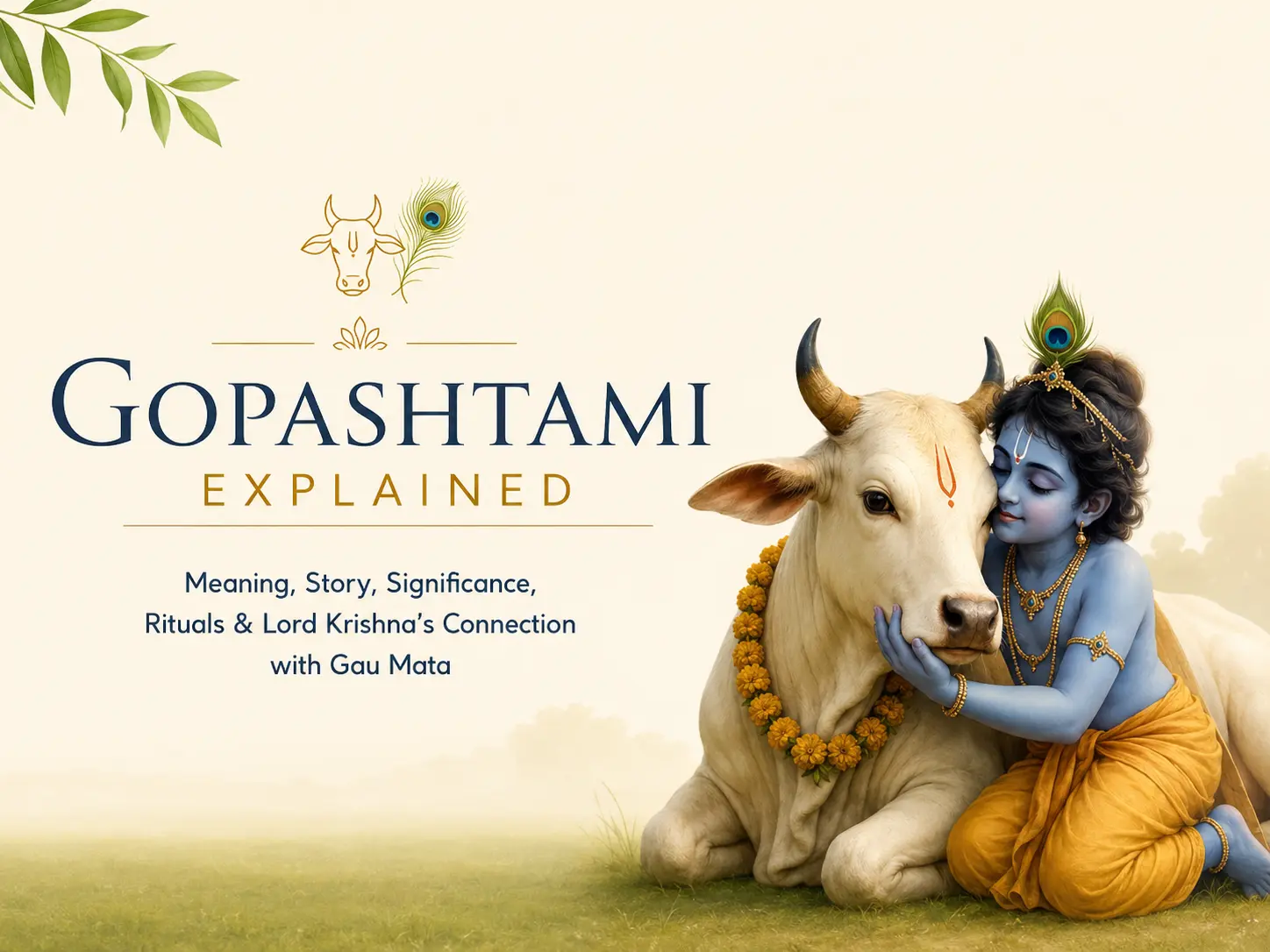
Gopashtami celebrates the day Lord Krishna became the protector of cows (Gopala). It is especially significant in Vrindavan, Mathura, and Braj, where Krishna's childhood is deeply connected with cow protection.
Rituals
- Gau Puja
- Decorating cows
- Temple processions
- Krishna worship
- Feeding cows
Why It Matters
This festival highlights the inseparable bond between Lord Krishna and Gau Mata, inspiring compassion, service, and protection of cattle.
Mattu Pongal
What is Mattu Pongal?
Mattu Pongal is the third day of the Pongal harvest festival in Tamil Nadu and is dedicated to honoring cattle for their role in agriculture.
Main Rituals
- Bathing cows
- Painting horns
- Floral decorations
- Bells and garlands
- Special offerings
- Village celebrations
Agricultural Importance
Farmers thank cattle for:
- Ploughing fields
- Transport
- Dairy production
- Supporting rural livelihoods
Kanuma Festival
What is Kanuma?
Kanuma is celebrated mainly in Andhra Pradesh and Telangana as part of Sankranti. It is dedicated to cows, bulls, and the farming community.
Rituals
- Worship of cattle
- Decorating cows
- Feeding special food
- Community gatherings
- Agricultural thanksgiving
Kanuma reflects the close relationship between farmers, livestock, and sustainable agriculture.
Govardhan Puja and Gau Puja
Govardhan Puja commemorates Lord Krishna lifting Govardhan Hill to protect the people of Gokul.
Many temples and households also perform Gau Puja, expressing gratitude to cows for sustaining life through milk, agriculture, and natural resources.
Common Rituals
- Circumambulation of cows
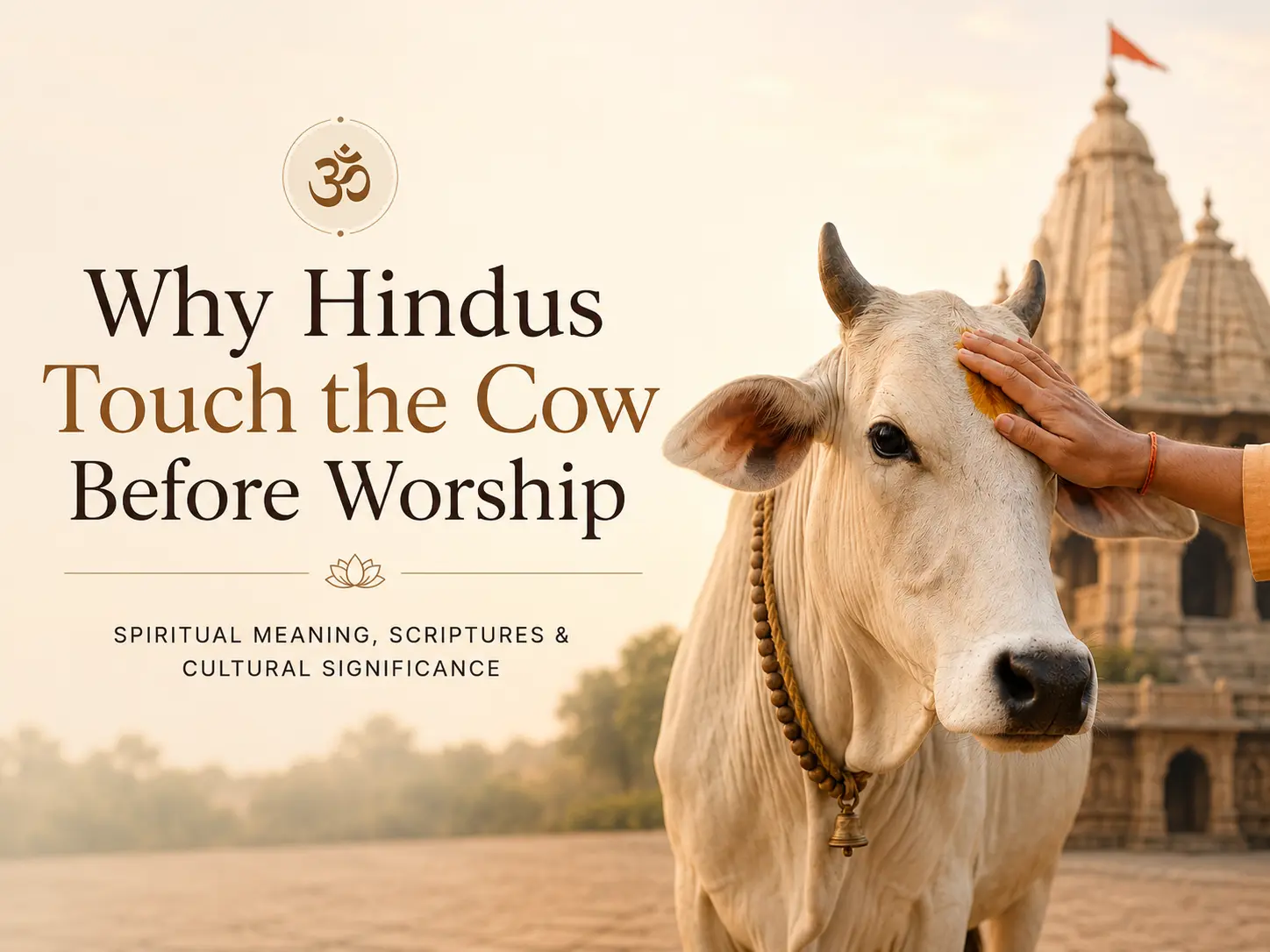
- Applying turmeric and vermilion
- Garland decoration
- Feeding green fodder
- Krishna bhajans
Regional Festivals Honoring Cows
| State | Festival |
|---|---|
| Maharashtra | Govatsa Dwadashi (Vasu Baras) |
| Gujarat | Govatsa Dwadashi |
| Uttar Pradesh | Gopashtami |
| Rajasthan | Gopashtami |
| Tamil Nadu | Mattu Pongal |
| Andhra Pradesh | Kanuma |
| Telangana | Kanuma |
| Karnataka | Mattu Pongal & regional cattle worship traditions |
Common Rituals During Cow Festivals
Across India, most cow festivals include:
- Washing cows
- Decorating with flowers
- Applying turmeric and kumkum
- Painting horns
- Feeding jaggery and green grass
- Lighting lamps
- Circumambulating cows
- Chanting Vedic mantras
- Donating fodder to Goshalas
- Seeking blessings from Gau Mata
Lord Krishna and Cow Festivals
Lord Krishna is known as:
- Gopala
- Govinda
- Muralidhara
- Giridhari
His childhood in Gokul and Vrindavan centered around caring for cows, making him one of the strongest spiritual symbols associated with Gau Mata. Festivals like Gopashtami and Govardhan Puja celebrate this divine relationship.
Agricultural Importance of Cow Festivals
These festivals remind society that cows contribute to:
- Organic farming
- Natural fertilizers
- Dairy production
- Sustainable agriculture
- Rural livelihoods
- Soil fertility
- Traditional farming systems
Environmental Importance
Cow festivals also promote sustainable living by encouraging:
- Organic agriculture
- Reduced chemical dependency
- Conservation of indigenous cattle breeds
- Biodiversity
- Ethical animal care
- Eco-friendly farming practices
How Goshalas Celebrate These Festivals
Many Goshalas across India celebrate by:
- Performing Gau Puja
- Organizing devotional programs
- Feeding rescued cattle
- Veterinary health camps
- Cow adoption initiatives
- Gau Seva drives
- Educational awareness programs
Key Takeaways
| Topic | Summary |
|---|---|
| Main Purpose | Honor cows for their spiritual and agricultural significance |
| Primary Festivals | Govatsa Dwadashi, Gopashtami, Mattu Pongal, Kanuma, Govardhan Puja |
| Best Known Deity | Lord Krishna |
| Core Values | Gratitude, Dharma, Compassion, Sustainability |
| Main Participants | Families, farmers, temples, Goshalas |
| Cultural Importance | Preserves India's Vedic and agricultural heritage |
Conclusion
Festivals dedicated to cows are more than religious observances—they are celebrations of gratitude, sustainability, and India's enduring relationship with Gau Mata. From Govatsa Dwadashi before Diwali to Mattu Pongal and Kanuma during the harvest season, each festival reflects the deep cultural, agricultural, and spiritual bond between humans and cattle. These traditions continue to preserve the values of compassion, responsible farming, and reverence for nature, making them an integral part of India's living heritage.
Frequently Asked Questions (FAQs)
1. Which festival is completely dedicated to cows in Hinduism?
The most prominent festival dedicated specifically to cows and calves is Govatsa Dwadashi (Vasu Baras). It is celebrated before Diwali, when devotees worship Gau Mata and her calf, seeking prosperity, family well-being, and divine blessings.
2. What are the major festivals dedicated to cows in India?
The major festivals honoring cows include Govatsa Dwadashi (Vasu Baras), Gopashtami, Mattu Pongal, Kanuma, Govardhan Puja (with Gau Puja traditions), Bail Pola (Pola), and Bandna. These festivals celebrate the spiritual, cultural, and agricultural importance of cows and cattle.
3. Why are cows worshipped during Hindu festivals?
Cows are worshipped because they symbolize motherhood, prosperity, nourishment, compassion, and dharma. Hindu traditions regard the cow as Gau Mata, honoring her contribution through milk, agriculture, and sustainable living.
4. Which festival celebrates Lord Krishna's role as a protector of cows?
Gopashtami celebrates the day Lord Krishna became a cowherd (Gopala) and took responsibility for grazing and protecting cows. It is one of the most important Krishna festivals observed in Vrindavan, Mathura, and the Braj region.
5. What is the significance of Govatsa Dwadashi (Vasu Baras)?
Govatsa Dwadashi marks the beginning of Diwali festivities in many regions and honors the sacred bond between cows and calves. Devotees perform Gau Puja, offer fodder, and pray for family prosperity, healthy children, and abundance.
6. Which Indian states celebrate festivals dedicated to cows?
Cow festivals are celebrated across India, including Maharashtra, Gujarat, Uttar Pradesh, Rajasthan, Tamil Nadu, Andhra Pradesh, Telangana, Karnataka, Jharkhand, Madhya Pradesh, and Chhattisgarh, with each region following unique traditions and rituals.
7. What rituals are performed during cow festivals?
Common rituals include bathing cows, decorating them with flowers and colorful ornaments, applying turmeric and vermilion, performing Gau Puja, feeding green fodder or jaggery, offering prayers, and seeking blessings for prosperity and happiness.
8. What is the difference between Govatsa Dwadashi and Gopashtami?
Govatsa Dwadashi focuses on worshipping cows and calves before Diwali for prosperity and family welfare, while Gopashtami celebrates Lord Krishna as the divine protector of cows and emphasizes Gau Seva and Krishna devotion.
9. Which harvest festivals honor cows and cattle in India?
Mattu Pongal, Kanuma, and Bail Pola (Pola) are major harvest festivals that honor cows, bulls, and other cattle for their invaluable contribution to farming, agriculture, and rural livelihoods.
10. How are cows decorated during Hindu festivals?
During festivals, cows are bathed and adorned with flower garlands, colorful cloths, painted horns, bells, turmeric, kumkum, and traditional ornaments. They are then worshipped with lamps, prayers, and offerings as symbols of gratitude and reverence.
11. How do Goshalas celebrate festivals dedicated to cows?
Many Goshalas celebrate by organizing Gau Puja, devotional programs, community feeding, veterinary health camps, Gau Seva activities, awareness campaigns, and cow adoption drives, encouraging people to care for and protect indigenous cattle.
12. Why are festivals dedicated to cows still relevant today?
These festivals continue to promote animal welfare, sustainable agriculture, indigenous cattle conservation, environmental awareness, and gratitude toward nature. They also preserve India's rich spiritual, cultural, and agricultural heritage for future generations.