
Kankrej Cow Breed in India | Origin, Milk, Care
Learn about the Kankrej Cow Breed in India—origin, milk yield, traits, climate suitability, care, and farming value.
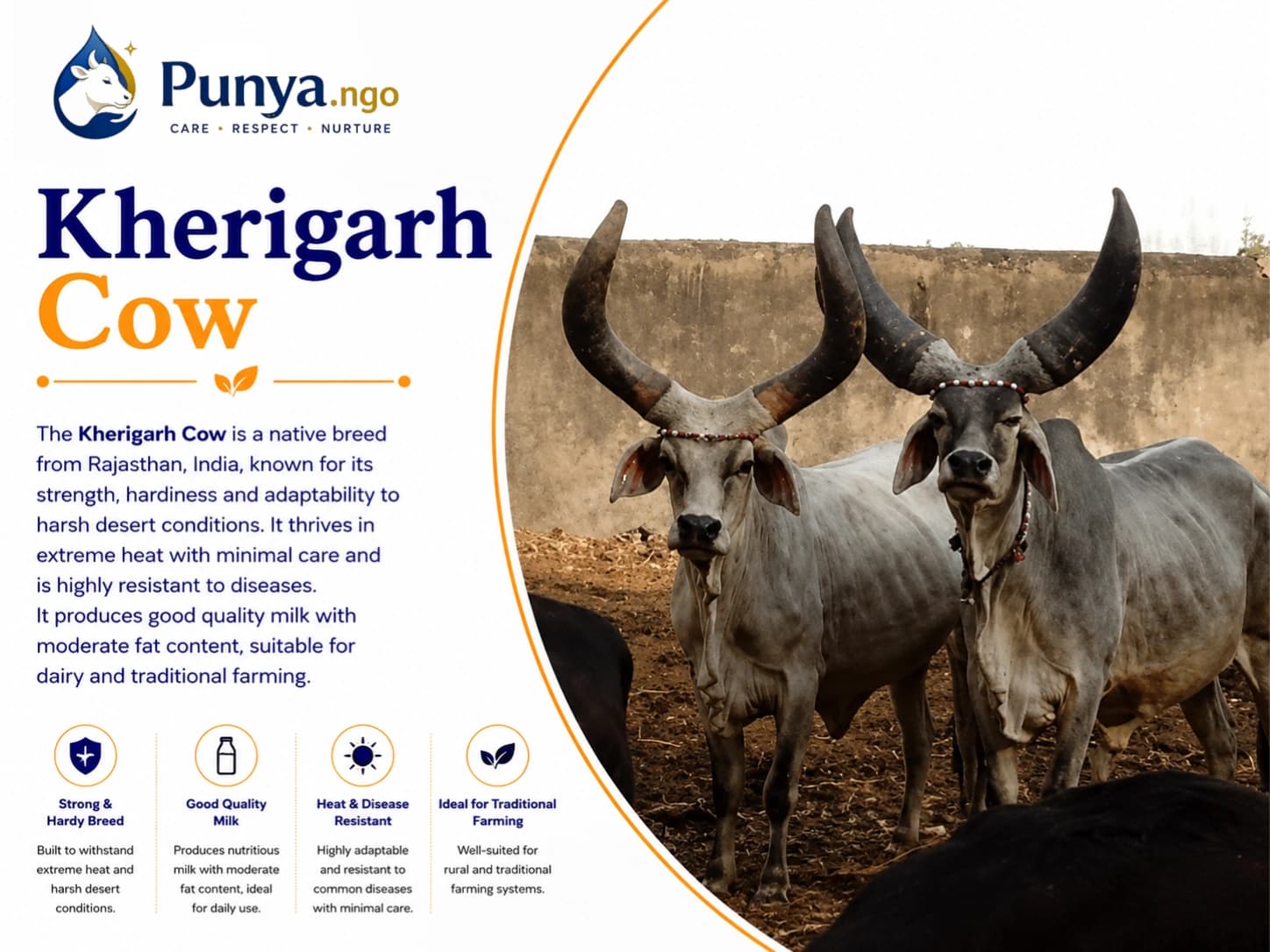
Kankrej Cow Breed in India
The Kankrej Cow Breed in India is one of the most respected indigenous cattle breeds for farmers who value hardiness, utility, and adaptability. It is known for its strong body, heat tolerance, and dependable performance in rural farming conditions. While it is not the highest-milk-producing cow breed, it remains important because it supports both dairy farming and farm work in tough climates.
The Kankrej Cow Breed in India is especially valued in dry and semi-arid regions, where many other breeds struggle. For small and medium farmers, it offers a practical balance of milk, strength, and low-maintenance resilience.
Takeaway: The Kankrej Cow Breed in India matters because it is a hardy indigenous breed that performs well in challenging rural conditions.
What is Kankrej Cow Breed in India?
The Kankrej Cow Breed in India is a native Indian cattle breed mainly recognized for its dual-purpose value. That means it is used for both milk production and work in the field. It belongs to the group of Indian cattle that are known for stamina, disease resistance, and adaptation to local weather.
This breed is not usually chosen for very high commercial milk output. Instead, it is preferred by farmers who want a durable desi cow with steady utility and lower risk in harsh environments.
Takeaway: The Kankrej Cow Breed in India is a dual-purpose indigenous breed built for strength, survival, and useful farm output.
Origin and Native Region
The Kankrej Cow Breed in India comes from western India, especially the Kutch and surrounding areas of Gujarat. It is also found in parts of Rajasthan. The breed developed in hot, dry, and often difficult farming conditions, which shaped its toughness over time.
This regional background explains why the breed is so good at handling heat, limited water availability, and rough grazing conditions. In many rural areas, it has long been part of traditional livestock farming.
Takeaway: The Kankrej Cow Breed in India originated in western India and was naturally shaped by dry, tough climatic conditions.
Physical Characteristics
The Kankrej Cow Breed in India is known for its strong frame and distinct appearance. It usually has a large body, a broad forehead, a straight or slightly convex profile, and powerful legs. The coat is often grey, silver-grey, or sometimes darker in bulls. The hump and dewlap are generally well developed, which is common in Indian cattle.
Farmers often notice that the breed has an alert, confident look. It is not a delicate cow. Its body structure reflects utility, stamina, and adaptability rather than fragile dairy refinement.
| Feature | Typical Observation |
|---|---|
| Body size | Large and strong |
| Coat color | Grey to silver-grey |
| Horns | Thick and curved |
| Build | Heavy, muscular, and practical |
| Breed type | Indigenous, dual-purpose |
| Common strength | Heat tolerance and endurance |
Takeaway: The Kankrej Cow Breed in India has a strong, muscular body designed for survival and farm utility.
Milk Production and Dairy Value
The Kankrej Cow Breed in India is not usually compared with high-yield commercial dairy breeds, but it still has meaningful value for rural milk production. Its milk is often appreciated for quality rather than extreme quantity. In many traditional systems, this breed is considered useful for households and small dairy setups.
For farmers, the breed’s real value lies in its balanced nature. It can provide moderate milk yield while also contributing to farm work and low-cost upkeep. That makes it suitable for families who need a reliable indigenous cow rather than a pure commercial dairy animal.
The exact milk yield can vary widely depending on feed, care, breeding, and local conditions, so it is better to think of Kankrej Cow Breed in India as a steady performer instead of a record-setting milker.
Takeaway: The Kankrej Cow Breed in India offers moderate milk production with strong overall utility, especially for rural farming.
Temperament and Behavior
The Kankrej Cow Breed in India is generally known for being alert, active, and manageable when handled properly. It is not usually described as overly nervous, but it does require calm and consistent care. Like many indigenous breeds, it responds well to routine and respectful handling.
This temperament is useful in rural farming because it supports both dairy management and field use. Farmers often value breeds that are alert but not difficult to control, and the Kankrej Cow Breed in India fits that need fairly well.
Takeaway: The Kankrej Cow Breed in India has a practical temperament that works well in routine farm management.
Climate Adaptability
One of the biggest strengths of the Kankrej Cow Breed in India is its climate suitability. It handles heat well and is better adapted to dry, semi-arid, and harsh environments than many exotic or crossbred cattle. This makes it useful in regions where summer stress is a major challenge.
Its indigenous genetics help it cope with local conditions, including high temperatures, variable feed availability, and rugged terrain. For this reason, the breed is often seen as a dependable option for farmers in hot parts of India.
Takeaway: The Kankrej Cow Breed in India is highly valued for heat tolerance and adaptability to dry Indian climates.
Feeding and Management
Good feeding and basic management make a major difference in the performance of the Kankrej Cow Breed in India. Even though the breed is hardy, it still needs balanced nutrition to stay healthy and productive.
A practical feeding plan usually includes green fodder, dry roughage, clean water, and a proper mineral mix. During lactation, feed quality becomes even more important. Shelter should be clean, shaded, and well ventilated, especially in summer. Regular health checks, vaccination, and parasite control also matter.
The breed may handle tough conditions better than many others, but hardy does not mean self-sufficient. Proper care still improves milk yield, body condition, and overall utility.
Takeaway: The Kankrej Cow Breed in India performs best when hardy genetics are matched with clean housing, balanced feed, and regular care.
Advantages of Kankrej Cow Breed in India
The Kankrej Cow Breed in India offers several practical advantages for rural and small-scale farming.
It is heat tolerant, physically strong, and well suited to Indian village conditions. It can support both dairy and farm work, which makes it a useful dual-purpose breed. Its indigenous nature also makes it a good choice for farmers who prefer desi cow breeds that are more adapted to local environments.
Another advantage is resilience. In many cases, it can manage harsher conditions better than more sensitive breeds. That can reduce stress for farmers working in dry regions.
Takeaway: The Kankrej Cow Breed in India stands out for strength, adaptation, and dual-purpose value.
Limitations or Practical Considerations
The Kankrej Cow Breed in India also has some practical limitations. Its milk yield is usually moderate, so it may not match the output of high-yield commercial dairy cows or well-managed crossbreeds. Farmers who want maximum milk volume alone may find it less attractive.
It also performs best when given proper care, enough space, and decent feeding. Like any cattle breed, it can lose its advantage if management is poor. So while it is hardy, it is not a “no care needed” animal.
Takeaway: The main limitation of the Kankrej Cow Breed in India is that it is moderate in milk output, so it suits utility-focused farming more than high-volume dairy systems.
Best Use Cases for Farmers
The Kankrej Cow Breed in India is ideal for farmers who want an indigenous breed with steady utility. It works well for rural households, small dairy units, and farms in hot or dry areas. It is also a smart choice for farmers who value lower-risk cattle with better climate suitability.
This breed is especially useful where the goal is not just milk, but overall farm support. In such systems, strength, fertility, endurance, and local adaptability matter just as much as milk yield.
Takeaway: The Kankrej Cow Breed in India is best for farmers who want a practical, hardy, dual-purpose cow for Indian conditions.
Comparison with Similar Indian Cow Breeds
When compared with the Gir cow, the Kankrej Cow Breed in India is often seen as more of a utility-oriented breed. Gir is widely known for dairy value, while Kankrej is admired for strength, endurance, and adaptation. Both are important indigenous breeds, but they serve slightly different farming goals.
Compared with some other Indian cattle breeds, Kankrej tends to stand out for its robustness and working ability. That makes it a sensible option in places where a cow must do more than just produce milk.
| Breed | Main Strength | Best For |
|---|---|---|
| Kankrej Cow Breed in India | Heat tolerance, strength, dual-purpose utility | Rural farming, moderate dairy, dry regions |
| Gir | Better-known dairy value | Milk-focused systems |
| Sahiwal | Strong dairy reputation | Dairy farming with good management |
Takeaway: The Kankrej Cow Breed in India is more utility-focused than some dairy-specialized Indian breeds, especially when compared with Gir.
Conclusion
The Kankrej Cow Breed in India is a reliable indigenous cattle breed that continues to matter in rural farming. It may not be the highest-yielding dairy breed, but it offers something equally valuable: toughness, adaptability, and practical usefulness. For farmers in hot, dry, or demanding conditions, that combination is often more important than pure milk volume.
If the goal is to raise a desi cow that can handle Indian weather, support moderate milk production, and fit into traditional farming systems, the Kankrej Cow Breed in India remains a strong and sensible choice.
Takeaway: The Kankrej Cow Breed in India is a dependable, climate-smart indigenous breed that fits real farming needs well.
FAQs
1. What is the Kankrej Cow Breed in India?
The Kankrej Cow Breed in India is an indigenous dual-purpose cattle breed known for strength, heat tolerance, and practical farm utility.
2. Where did the Kankrej Cow Breed in India originate?
It originated in western India, mainly Gujarat and nearby regions, especially in dry and semi-arid areas.
3. Is the Kankrej Cow Breed in India good for milk production?
Yes, but mainly at a moderate level. It is better known for balanced utility than very high milk output.
4. Why is the Kankrej Cow Breed in India popular in rural farming?
It is hardy, adaptable, and useful in hot climates, which makes it suitable for rural and low-input farming systems.
5. Does the Kankrej Cow Breed in India handle heat well?
Yes. Heat tolerance is one of its biggest strengths, especially in dry Indian regions.
6. What is the main limitation of the Kankrej Cow Breed in India?
Its milk yield is usually moderate, so it may not suit farmers looking for maximum dairy production.
7. How should the Kankrej Cow Breed in India be managed?
It should be fed balanced fodder, given clean water, housed in shaded and ventilated shelters, and checked regularly for health issues.
8. Is the Kankrej Cow Breed in India better than crossbred cows?
Not always. It is better for farmers who value hardiness, climate adaptation, and lower-risk indigenous cattle management.