
Lakhimi Cow Breed in India | Origin, Milk & Farming Guide
Learn about the Lakhimi Cow Breed in India, including its origin, milk production, physical traits, climate adaptability, management, and farming value.
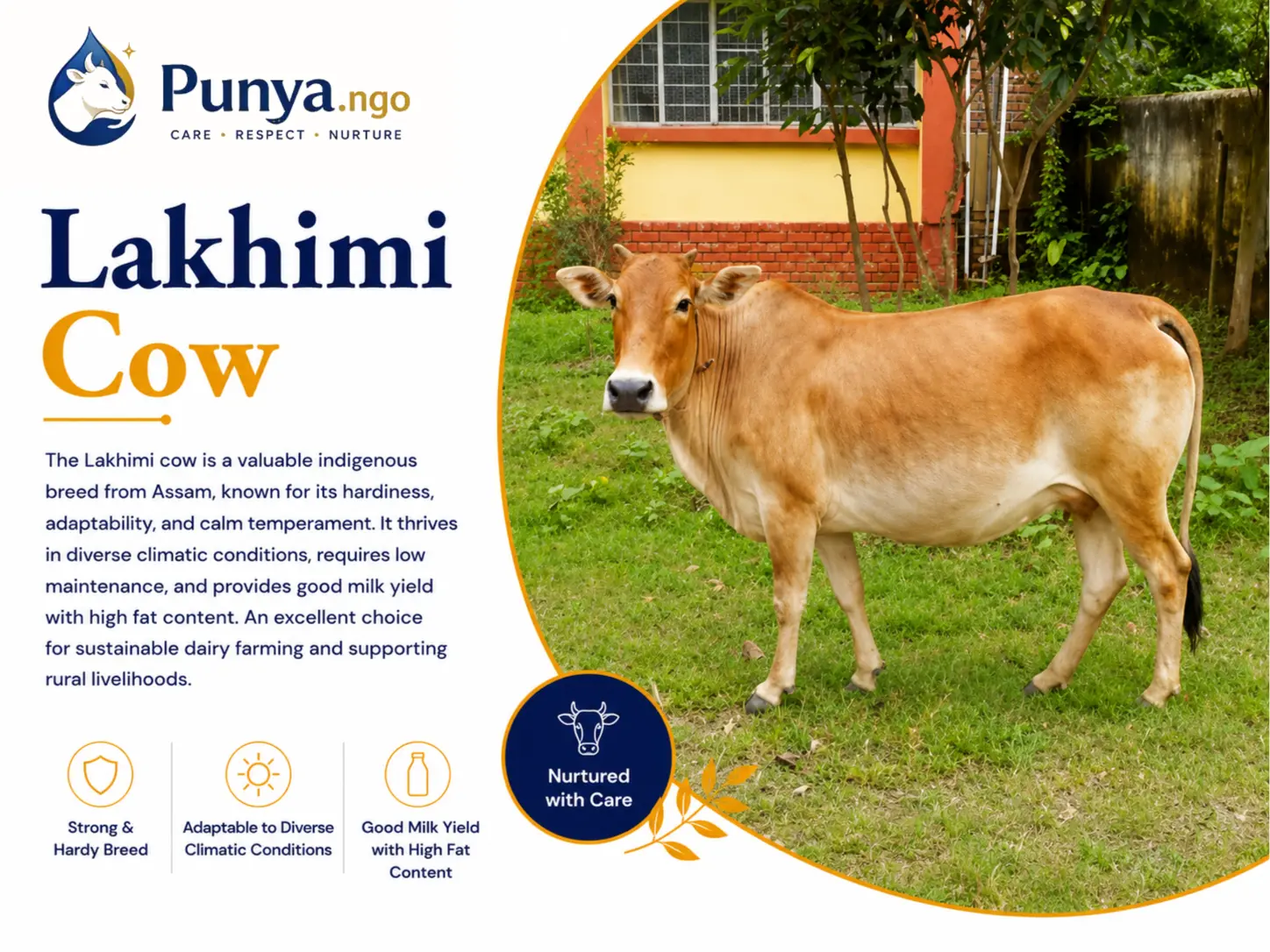
Lakhimi Cow Breed in India: Origin, Milk Production, Characteristics and Farming Value
The Lakhimi Cow Breed in India is an indigenous cattle breed native to Assam. Known for its adaptability, resilience, and suitability for traditional farming systems, this breed has been an important part of rural livelihoods for generations. Although it is not considered a high-yield dairy breed, its ability to thrive in local climatic conditions makes it valuable for small and marginal farmers.
The breed is primarily found in Assam and is appreciated for its hardiness, moderate milk production, and utility in low-input farming systems.
Takeaway: The Lakhimi Cow Breed in India is a hardy indigenous breed valued for adaptability, rural utility, and sustainable farming.
What is Lakhimi Cow Breed in India?
The Lakhimi Cow Breed in India is a native cattle breed of Assam that belongs to the group of indigenous Indian cattle. It is traditionally reared by rural households for milk production and farm work.
Unlike specialized dairy breeds, Lakhimi cattle are known for their ability to survive and perform under challenging environmental conditions with minimal management inputs.
Takeaway: Lakhimi is a dual-purpose indigenous breed that fits well into traditional rural farming systems.
Origin and Native Region
The Lakhimi Cow Breed in India originates from the northeastern state of Assam. It is distributed across various districts of the state and has evolved under the region's humid subtropical climate.
For generations, local farming communities have relied on this breed because of its ability to withstand local weather conditions and utilize available feed resources efficiently.
Native Area
- Assam
- Brahmaputra Valley regions
- Rural agricultural zones
- Smallholder farming communities
Takeaway: Assam is the native home of the Lakhimi Cow Breed in India, where it remains closely connected to local agriculture.
Physical Characteristics
The Lakhimi Cow Breed in India possesses several distinct physical features that help it adapt to local environmental conditions.
Key Physical Traits
| Characteristic | Description |
|---|---|
| Size | Small to medium |
| Body Color | Brown, grey, or mixed shades |
| Horns | Present and generally straight |
| Hump | Medium-sized |
| Legs | Strong and relatively short |
| Udder | Small and compact |
| Body Build | Compact and sturdy |
The breed is not known for large body size. Instead, its compact frame contributes to lower maintenance requirements and better adaptability.
Takeaway: The breed's compact structure supports survival and productivity in low-input farming systems.
Milk Production and Dairy Value
Milk production of the Lakhimi Cow Breed in India is considered modest when compared with specialized dairy breeds.
Milk Production Highlights
- Moderate milk yield
- Suitable for household dairy needs
- Good milk fat percentage
- Useful for traditional dairy products
The breed is commonly maintained by families who require a dependable source of milk rather than maximum commercial production.
Because of its indigenous genetics, milk quality is often valued locally, especially where traditional dairy consumption patterns exist.
Takeaway: Lakhimi cattle provide moderate milk production with practical value for rural households.
Temperament and Behavior
The Lakhimi Cow Breed in India is generally considered manageable and suitable for traditional farming environments.
Common behavioral traits include:
- Calm nature
- Easy handling
- Adaptability to village conditions
- Good interaction with human caretakers
These characteristics make the breed suitable for farmers who prefer cattle that can be managed without intensive handling systems.
Takeaway: The breed's manageable temperament supports small-scale and family-based farming.
Climate Adaptability
One of the greatest strengths of the Lakhimi Cow Breed in India is its adaptability to local climatic conditions.
Climate Strengths
- Good heat tolerance
- Adaptation to humid environments
- Ability to perform under rainfall-heavy conditions
- Resistance to environmental stress
The breed evolved in Assam's challenging climate, allowing it to function efficiently where some exotic breeds may struggle.
Takeaway: Climate adaptability is one of the strongest advantages of the Lakhimi Cow Breed in India.
Feeding and Management
The Lakhimi Cow Breed in India can be maintained successfully under relatively simple feeding systems.
Feeding Recommendations
Green Fodder
- Seasonal grasses
- Fodder crops
- Fresh vegetation
Dry Fodder
- Hay
- Straw
- Crop residues
Supplements
- Mineral mixture
- Salt
- Clean drinking water
Management Practices
- Maintain clean housing
- Follow vaccination schedules
- Conduct regular deworming
- Monitor reproductive health
- Ensure adequate ventilation
The breed generally responds well to consistent care rather than expensive feeding programs.
Takeaway: Basic but regular management practices help maintain healthy and productive Lakhimi cattle.
Advantages of Lakhimi Cow Breed in India
The Lakhimi Cow Breed in India offers several practical benefits.
Major Advantages
- Indigenous genetic resource
- Strong climate adaptability
- Good heat tolerance
- Suitable for low-input farming
- Moderate milk production
- Useful for rural livelihoods
- Lower maintenance requirements
- Adapted to local feed resources
These strengths make the breed particularly useful for small-scale farmers.
Takeaway: The breed's biggest strengths are adaptability, resilience, and low maintenance needs.
Limitations or Practical Considerations
Like every cattle breed, the Lakhimi Cow Breed in India has certain limitations.
Practical Considerations
- Lower milk yield than specialized dairy breeds
- Limited suitability for intensive commercial dairy operations
- Smaller body size
- Productivity depends heavily on local management practices
Farmers seeking maximum milk output may prefer specialized dairy breeds, while those prioritizing sustainability may find Lakhimi more suitable.
Takeaway: The breed prioritizes adaptability and resilience over maximum milk production.
Best Use Cases for Farmers
The Lakhimi Cow Breed in India is best suited for:
Ideal Farming Situations
- Smallholder farming
- Rural dairy systems
- Low-input agriculture
- Mixed farming operations
- Traditional village livestock systems
- Sustainable livestock management
Farmers looking for cattle that fit local resources often find this breed a practical option.
Takeaway: Lakhimi cattle perform best in traditional and resource-efficient farming systems.
Comparison with Similar Indian Cow Breeds
Lakhimi vs Sahiwal
| Feature | Lakhimi | Sahiwal |
|---|---|---|
| Origin | Assam | Punjab Region |
| Milk Yield | Moderate | High |
| Climate Adaptation | Excellent in humid regions | Excellent in hot regions |
| Maintenance | Low | Moderate |
| Commercial Dairy Suitability | Limited | High |
| Rural Utility | High | Moderate |
While Sahiwal is widely recognized for dairy production, Lakhimi offers stronger adaptation to its native environment and lower management demands.
Takeaway: Lakhimi is better suited for local sustainability, while Sahiwal is generally preferred for commercial milk production.
Conclusion
The Lakhimi Cow Breed in India represents an important indigenous cattle resource of Assam. It is a breed developed through generations of adaptation to local environmental conditions and farming practices.
Although it cannot compete with specialized dairy breeds in terms of milk volume, its strength lies in resilience, climate suitability, low maintenance requirements, and practical usefulness for rural households.
For farmers seeking a dependable indigenous breed that fits sustainable and traditional farming systems, Lakhimi remains a valuable option.
Takeaway: The Lakhimi Cow Breed in India is a resilient, climate-adapted indigenous breed best suited for sustainable rural farming.
FAQs
1. What is the Lakhimi Cow Breed in India?
The Lakhimi Cow Breed in India is an indigenous cattle breed native to Assam, known for adaptability and rural farming utility.
2. Which state is associated with the Lakhimi breed?
The breed originates from Assam in northeastern India.
3. Is the Lakhimi cow a dairy breed?
It is a dual-purpose breed with moderate milk production suitable for household and small-scale dairy use.
4. Is the Lakhimi breed heat tolerant?
Yes, the breed is known for good heat tolerance and adaptability to humid climates.
5. What is the main advantage of the Lakhimi breed?
Its biggest advantage is its ability to thrive under low-input farming conditions.
6. Is Lakhimi suitable for commercial dairy farming?
It is generally more suitable for smallholder and traditional farming systems than intensive commercial dairy operations.
7. What type of feed is suitable for Lakhimi cattle?
Green fodder, crop residues, dry fodder, minerals, and clean water are commonly used.
8. Why is the Lakhimi breed important?
It represents valuable indigenous cattle genetics and supports sustainable rural agriculture.