Umblachery Cow Breed in India | Features, Milk & Farming
Learn about the Umblachery Cow Breed in India, its origin, characteristics, milk production, climate adaptability, and farming benefits.
Umblachery Cow Breed in India: Origin, Characteristics, Milk Production, and Farming Value
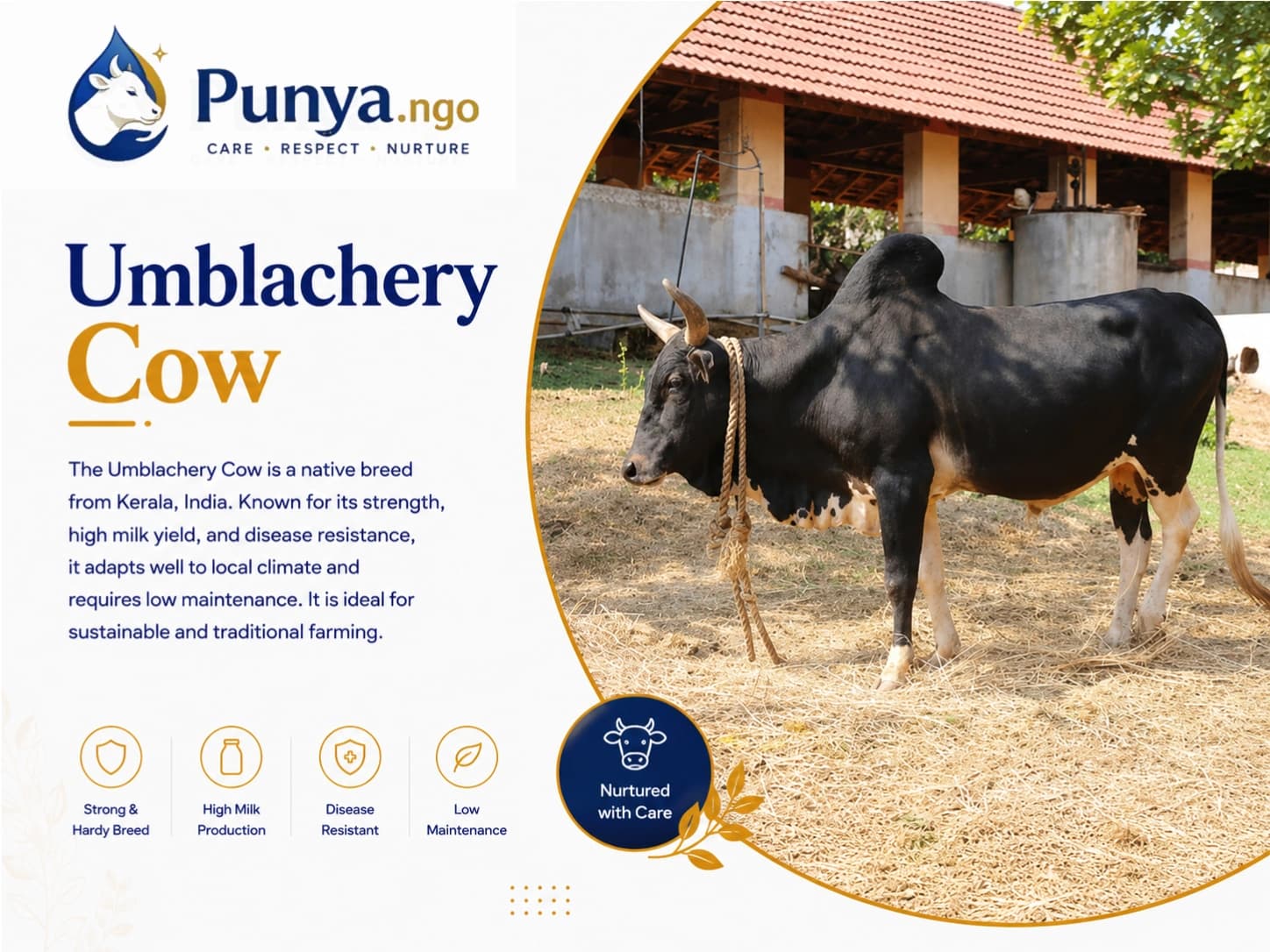
The Umblachery Cow Breed in India is a well-known indigenous cattle breed native to Tamil Nadu. It is primarily valued for its strength, endurance, adaptability to local climatic conditions, and usefulness in traditional farming systems. While it is not considered a high milk-yielding dairy breed, it remains important in rural agriculture due to its hardiness and ability to thrive under challenging conditions.
For farmers looking for a resilient desi cow breed that can perform well in hot and humid environments, the Umblachery breed offers practical advantages.
Takeaway: The Umblachery Cow Breed in India is best known for its adaptability, working ability, and suitability for traditional farming systems.
What is Umblachery Cow Breed in India?
The Umblachery Cow Breed in India is an indigenous breed of cattle originating from the Cauvery Delta region of Tamil Nadu. It belongs to the group of South Indian cattle breeds traditionally used for agricultural work and moderate milk production.
The breed developed naturally over generations under local environmental conditions, making it highly suited to the region's climate and farming practices.
Quick Facts Table
| Feature | Details |
|---|---|
| Breed Name | Umblachery |
| Type | Indigenous Indian cattle breed |
| Native State | Tamil Nadu |
| Primary Utility | Draught and agricultural work |
| Milk Production | Moderate |
| Climate Suitability | Hot and humid regions |
| Heat Tolerance | High |
| Farming System | Rural and traditional farming |
| Temperament | Active and manageable |
| Conservation Status | Recognized indigenous breed |
Takeaway: The breed is primarily valued as a hardy indigenous farming cattle breed with moderate dairy utility.
Origin and Native Region
The Umblachery Cow Breed in India originated in the delta districts of Tamil Nadu, particularly around the Nagapattinam and Thiruvarur regions. The breed takes its name from the village of Umblachery, where it was traditionally reared by farming communities.
These cattle evolved in areas characterized by paddy cultivation, seasonal flooding, and humid weather. Over time, natural selection and local breeding practices helped create a breed capable of working efficiently in wet agricultural fields.
The breed remains closely associated with traditional rice-growing regions.
Takeaway: The Umblachery breed developed specifically for the farming conditions of Tamil Nadu's delta region.
Physical Characteristics
The Umblachery Cow Breed in India has a distinctive appearance that reflects its working ability and adaptability.
Common Physical Features
- Medium-sized body structure
- Strong and compact frame
- Predominantly grey, white-grey, or dark grey coat
- Dark shading around the neck and shoulders in some animals
- Well-developed legs suitable for field work
- Strong hooves adapted to marshy and wet soils
- Moderately developed hump in males
- Small to medium-sized horns
Young calves are often born with darker coat colors that gradually change as they mature.
The breed's physical structure focuses more on endurance and mobility than on maximizing milk production.
Takeaway: Strong legs, compact build, and durable hooves make this breed well suited for agricultural work.
Milk Production and Dairy Value
The Umblachery Cow Breed in India is not classified among India's highest milk-producing dairy breeds. However, it provides sufficient milk for many small-scale farming households.
Milk yield varies depending on factors such as:
- Nutrition
- Management practices
- Genetics
- Health status
- Lactation stage
The breed is generally maintained for mixed farming systems where milk production is one component of its overall value.
Many rural families appreciate the breed because it combines moderate milk production with low maintenance requirements and good adaptability.
Dairy Value Highlights
| Aspect | Assessment |
|---|---|
| Milk Yield | Moderate |
| Dairy Farming Suitability | Small and mixed farms |
| Feed Efficiency | Good |
| Maintenance Cost | Relatively low |
| Adaptability | Excellent |
Takeaway: The breed provides practical dairy support for rural households rather than commercial-scale milk production.
Temperament and Behavior
The Umblachery Cow Breed in India is generally known for being active, alert, and manageable.
Common behavioral traits include:
- Good working temperament
- Strong field endurance
- Ability to follow routine management practices
- Adaptability to village farming environments
- Alert but controllable nature
Proper handling from an early age usually results in calm and cooperative animals.
Their willingness to work has historically made them valuable partners in traditional agriculture.
Takeaway: The breed combines working ability with manageable behavior, making it suitable for everyday farm operations.
Climate Adaptability
One of the strongest advantages of the Umblachery Cow Breed in India is its environmental adaptability.
Climate Strengths
- High heat tolerance
- Ability to perform in humid conditions
- Resistance to climatic stress
- Suitable for tropical farming systems
- Efficient adaptation to local grazing conditions
Unlike some specialized breeds that require intensive management, Umblachery cattle can often maintain productivity under relatively simple farming conditions.
This resilience remains one reason the breed continues to be valued in its native region.
Takeaway: The breed performs particularly well in hot, humid, and challenging agricultural environments.
Feeding and Management
The Umblachery Cow Breed in India generally performs well under traditional feeding systems.
Feeding Practices
- Green fodder
- Dry fodder
- Crop residues
- Seasonal grazing
- Balanced mineral supplementation
- Clean drinking water
Management Tips
Housing
Provide clean, dry, and ventilated shelter.
Health Care
Follow vaccination and deworming schedules recommended by local veterinary authorities.
Breeding
Use healthy breeding animals to maintain breed quality.
Nutrition
Adjust feeding according to age, work intensity, and lactation stage.
Because the breed evolved under local conditions, it often adapts efficiently to available feed resources.
Takeaway: Good nutrition and basic healthcare significantly improve the productivity and longevity of Umblachery cattle.
Advantages of Umblachery Cow Breed in India
- Excellent heat tolerance
- Adapted to humid climate
- Strong draught capability
- Good endurance in agricultural work
- Relatively low maintenance
- Suitable for small and marginal farmers
- Efficient utilization of local feed resources
- Strong adaptability to rural farming systems
Takeaway: The breed's biggest strengths are adaptability, endurance, and low-input farming suitability.
Limitations or Practical Considerations
- Milk production is lower than specialized dairy breeds.
- Commercial dairy farms may prefer higher-yielding cattle.
- Availability of purebred animals may vary by region.
- Mechanization has reduced demand for draught animals in some areas.
Farmers should select this breed based on their production goals rather than assuming it will fit every farming model.
Takeaway: The breed excels in traditional and mixed farming systems but is not ideal for maximizing milk production alone.
Best Use Cases for Farmers
The Umblachery Cow Breed in India is particularly suitable for:
- Smallholder farms
- Mixed crop-livestock systems
- Traditional agricultural operations
- Low-input farming environments
- Hot and humid regions
- Farmers seeking hardy indigenous cattle
Takeaway: Small and medium rural farms benefit most from the breed's versatility and resilience.
Comparison with Similar Indian Cow Breeds
Umblachery vs Hallikar
| Feature | Umblachery | Hallikar |
|---|---|---|
| Native State | Tamil Nadu | Karnataka |
| Primary Utility | Draught and mixed use | Draught |
| Heat Tolerance | High | High |
| Milk Production | Moderate | Generally low |
| Humid Climate Adaptation | Excellent | Good |
| Wet Field Suitability | Excellent | Moderate |
The Hallikar breed is widely respected for its draught power, while the Umblachery breed is particularly valued for working efficiently in the wet agricultural conditions of Tamil Nadu's delta regions.
Takeaway: Compared with Hallikar cattle, Umblachery animals are especially adapted to humid and waterlogged farming environments.
Conclusion
The Umblachery Cow Breed in India represents an important part of India's indigenous cattle heritage. Developed in the fertile delta regions of Tamil Nadu, the breed has earned recognition for its strength, endurance, adaptability, and usefulness in traditional farming systems.
Although it is not a high-yield commercial dairy breed, its ability to thrive in hot and humid conditions, utilize local feed resources efficiently, and support mixed farming operations makes it a practical choice for many rural farmers.
For farmers seeking a dependable indigenous breed with proven field performance and strong environmental adaptability, Umblachery cattle remain a valuable option.
Takeaway: The Umblachery breed is a resilient, climate-adapted indigenous cattle breed best suited for traditional and mixed farming systems.
FAQs
1. What is the Umblachery Cow Breed in India known for?
It is primarily known for its draught ability, endurance, heat tolerance, and adaptability to traditional farming systems.
2. Which state is the Umblachery breed native to?
The breed originates from Tamil Nadu, especially the Cauvery Delta region.
3. Is the Umblachery breed good for dairy farming?
It provides moderate milk production and is more suitable for small-scale and mixed farming systems than intensive commercial dairies.
4. Can Umblachery cattle tolerate hot weather?
Yes. The breed is well known for its high heat tolerance and ability to perform in tropical climates.
5. What is the primary use of Umblachery cattle?
Traditionally, they have been used for agricultural work, draught purposes, and household milk production.
6. Are Umblachery cattle suitable for small farmers?
Yes. Their adaptability, low maintenance requirements, and efficient feed utilization make them suitable for small and marginal farmers.
7. What kind of feed does the Umblachery breed require?
They can utilize green fodder, dry fodder, grazing resources, crop residues, and balanced nutritional supplements.
8. Why is the Umblachery breed important?
It contributes to the preservation of indigenous Indian cattle genetics and supports sustainable rural farming systems.