Shweta Kapila Cow Breed in India | Guide For Cattle Owners
Learn about Shweta Kapila Cow Breed in India, including origin, characteristics, milk production, adaptability, feeding, and farming benefits.
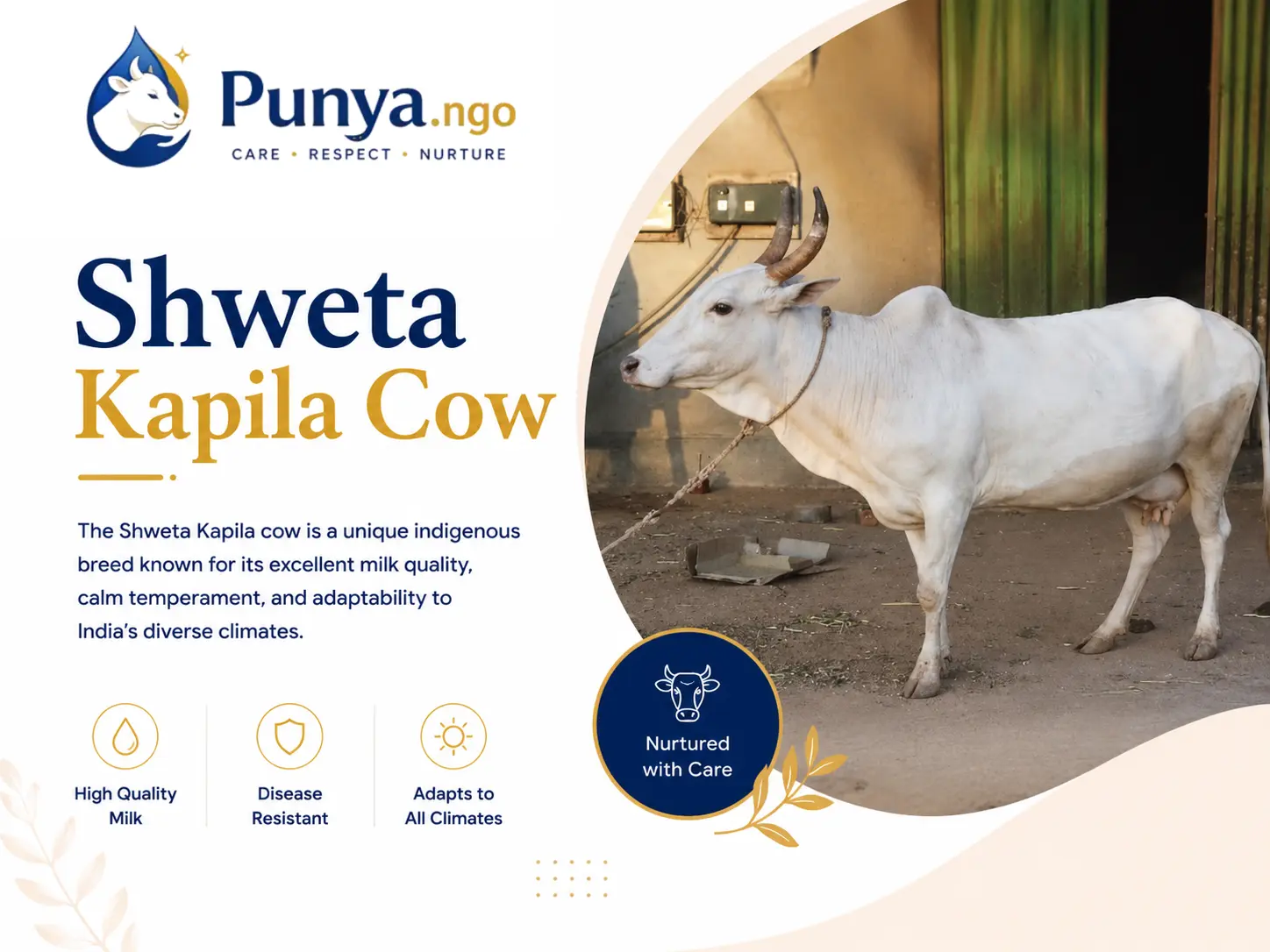
Shweta Kapila Cow Breed in India is a distinctive indigenous cattle breed known for its white coat, local adaptation, and importance in India’s native livestock landscape. For farmers, dairy keepers, and anyone comparing India cow breed options, this breed matters because it represents a practical, climate-adapted native cow breed rather than a high-input commercial animal.
If you are researching cows India, india cows, native cow breeds in India, or a desi cow breed India for small-scale farming, this guide will help you understand what Shweta Kapila is, how to identify it, how to care for it, and whether it fits your farm goals.
The focus keyword Shweta Kapila Cow Breed in India is used throughout this article in a natural way so the content stays useful for real readers and strong for search intent.
Quick Facts About Shweta Kapila
| Fact | Details |
|---|---|
| Breed Type | Indigenous cattle breed |
| Origin | Goa, India |
| Category | Indian cow breed / native cow breed |
| Primary Use | Milk, local dairy use, breed conservation |
| Climate Suitability | Best suited to hot and humid coastal conditions |
| Temperament | Generally manageable with calm handling |
| Maintenance Level | Moderate to low, depending on management |
| Grazing Ability | Good in semi-open and grazing systems |
| Disease Resistance | Better adapted than many non-local breeds in its native climate |
| Suitable For | Small farmers, rural cattle breed India systems, conservation herds |
What Is Shweta Kapila?
Shweta Kapila Cow Breed in India is a registered indigenous cattle breed from Goa. It is a native cow breed with a uniform white coat and strong local identity. In simple terms, it is an Indian cow breed that evolved under regional conditions and is valued for adaptation, not just milk volume.
This breed is relevant to livestock farming in India because native breeds often perform well in local weather, local fodder conditions, and low-input management systems. If you are looking at best cow breeds in India for sustainability rather than only maximum output, Shweta Kapila deserves attention.
History and Origin of Shweta Kapila
Shweta Kapila comes from Goa, where it developed in a hot, humid coastal environment. Its recognition as a distinct breed helps preserve indigenous cattle genetics and strengthens India’s cattle farming in India ecosystem.
This breed is important because many local cattle populations are useful but under-documented. Official recognition helps farmers, researchers, and breeding programs support the breed properly.
Physical Appearance of Shweta Kapila
Shweta Kapila cow breed characteristics in India are easy to notice once you know what to look for.
How to identify Shweta Kapila cow?
Look for these features:
- Uniform white coat
- Whitish-brown muzzle
- White eyelashes
- Small to medium body size
- Straight face
- Small horns that point upward and outward
- Compact body shape
- Bowl-shaped udder in milking females
The color and appearance are the most obvious clues. If a cow has the classic white coat and native build, it may fit the breed profile more closely than many mixed local animals.
Size, Weight, and Coat Characteristics
Shweta Kapila is generally a short to medium-sized native breed. The coat is white and neat, which gives it a distinct visual identity among indian dairy cow breed options.
The body is compact rather than massive. This often makes the breed easier to manage in smaller sheds, village farms, and rural cattle breed India systems where space and feed resources may be limited.
Temperament and Personality
Shweta Kapila cows are usually manageable when handled calmly and consistently. Like most indigenous cattle, temperament improves with regular human contact, clean housing, and predictable feeding routines.
For cow breeding and daily management, this means:
- Start handling early
- Avoid rough movement or noise
- Keep feeding times consistent
- Use calm milking and cleaning routines
Why Shweta Kapila Is Popular
Shweta Kapila cow is popular in India because it combines breed identity, climate adaptability, and native-breed value. It is not mainly sought for very high milk production. Instead, people value it as an indigenous cow breed in India that fits local conditions and supports conservation-oriented livestock farming.
Many people searching for cows and India, cows india, or india cows are looking for cows that are practical, familiar, and locally adapted. This breed fits that intent well.
Price in India
Shweta Kapila cow price in India varies by age, milk stage, breeding status, body condition, health, and location. There is no single fixed price.
A fair purchase decision should consider:
- Calf or adult age
- Health and vaccination records
- Dam’s milk history
- Body condition
- Breed authenticity
- Local market availability
How to Choose a Healthy Calf or Cow
A healthy Shweta Kapila cow should be alert, active, and free from injury, discharge, or obvious weakness.
Buying checklist
- Bright eyes
- Clean nose and coat
- Normal walking pattern
- Good appetite
- No visible swelling or wounds
- Healthy udder and teats in females
- Verified vaccination and deworming history
If you are buying for dairy farming, do not focus only on appearance. A healthy, well-managed animal is far more valuable than a weak animal with a lower asking price.
Feed and Nutrition Guide
Cow feeding benefits are strongest when the ration is balanced, clean, and regular. Good feeding improves milk, reproduction, body condition, and long-term health.
For Shweta Kapila Cow Breed in India, the basic feeding strategy should include:
- Green fodder when available
- Dry fodder for roughage
- Concentrate for milking or growing animals
- Clean drinking water all day
- Mineral supplementation when needed
Cow feeding benefits in practical terms
Proper feeding can help with:
- Better milk production
- Improved digestion
- Stronger immunity
- Better fertility
- Faster recovery after calving
- Lower stress in heat conditions
For cows and india farming systems, feeding is one of the most important cost and performance factors.
Grooming and Hygiene Needs
Cleanliness directly affects udder health, comfort, and disease risk. Keep the coat clean, remove manure daily, and maintain dry bedding.
Basic hygiene routine
- Clean the shed every day
- Wash feed and water containers
- Keep the milking area dry
- Trim overgrown hooves if needed
- Clean the udder before milking
- Control flies and ticks
Training and Handling Tips
Good handling reduces stress and makes cattle easier to manage. Train the animal to accept ropes, touch, and routine movement early in life.
Practical handling tips:
- Move slowly
- Avoid shouting
- Never strike the animal
- Reward calm behavior
- Keep daily routines stable
Daily Care Requirements
Daily care for Shweta Kapila Cow Breed in India is straightforward but must be consistent.
Daily care checklist
- Feed on time
- Check water availability
- Observe appetite and movement
- Remove manure and wet bedding
- Inspect udder, skin, and hooves
- Watch for fever or weakness
Milk Yield
What is the milk yield of Shweta Kapila cow? The breed is known for modest milk output rather than very high commercial yield. In practical terms, it is more of a native cow breed with local utility than a top-producing dairy specialist.
If your main question is which cow breed with highest milk production is best, Shweta Kapila may not be the first choice. But if your goal is indigenous cattle, local adaptability, and sustainable management, it has real value.
Health Problems and Preventive Care
Like all cattle, Shweta Kapila can face digestive issues, parasites, mastitis, foot problems, and seasonal infections if care is poor.
Preventive care priorities
- Keep the shed dry
- Remove manure regularly
- Deworm on schedule
- Vaccinate on time
- Isolate sick animals early
- Maintain balanced feeding
Vaccination Schedule
A standard cattle vaccination schedule in India commonly includes:
- FMD from 4 months onward
- HS from 6 months in endemic areas
- BQ from 6 months in endemic areas
- Brucellosis for female calves in the recommended age window
Always follow local veterinary advice because disease risk can vary by region.
Climate Suitability
Shweta Kapila is well suited to hot and humid coastal climates. That makes it a climate-adapted cow and a strong example of why native cattle can be useful in Indian weather conditions.
For farms in warmer areas, this is a practical advantage.
Shed/Stable vs Open Grazing Suitability
Shweta Kapila can do well in both open grazing and semi-open housing, but it usually performs best with shade, drainage, and dry resting space.
Good housing features
- Covered resting area
- Dry floor
- Airflow and shade
- Clean water access
- Separate area for calves and sick cattle
Compatibility with Families and Farm Use
Shweta Kapila is suitable for family farms, small dairies, and rural livestock systems. It is also a good fit for people interested in desi cow breed India conservation and low-input cattle management.
This breed may not be ideal for a farm that wants the highest possible milk numbers alone, but it can fit well in mixed farming and sustainable village systems.
Lifespan and Long-Term Care
Lifespan depends on health care, feeding, breeding load, and housing. Long-term success comes from routine care, not occasional attention.
Important long-term priorities:
- Balanced nutrition
- Safe calving management
- Regular veterinary checks
- Clean housing
- Controlled breeding intervals
Monthly Maintenance Cost
Monthly maintenance cost varies by region, feed prices, and housing style. The major costs are fodder, concentrate, water, labor, medicine, and bedding.
The real question is not only cost, but value. A healthy indigenous cow may be economical if it fits local conditions and uses locally available feed.
Common Mistakes New Owners Make
New owners often make these mistakes:
- Buying without checking health records
- Expecting very high milk yield from a native breed
- Skipping deworming and vaccination
- Feeding irregularly
- Keeping the shed dirty and wet
- Ignoring body condition and hydration
Travel and Transport Tips
Transport cattle carefully and legally. Reduce stress, prevent slipping, and avoid overcrowding. Do not move cattle in extreme heat when it can be avoided.
Difference Between Shweta Kapila and Other Breeds
Shweta Kapila stands out because it is a Goa-origin indigenous cattle breed with a white coat and strong local adaptation. Compared with many crossbred or high-yield commercial animals, it is more about resilience and breed identity than maximum production.
Compared with other cow breed options
- Lower milk yield than specialized dairy breeds
- Better fit for local heat and humidity
- More suitable for low-input native farming
- Stronger conservation value
Why Native/Local Breeds Are Important
Native breeds matter because they preserve genetic diversity and often adapt better to local climates, local fodder, and local disease pressure. In India, indigenous cattle are part of both agriculture and culture.
That is why Shweta Kapila Cow Breed in India is important not only as a cow, but as part of India’s living livestock heritage.
Why Shweta Kapila Cow Breed Matters
- Preserves indigenous cattle genetics.
- Supports sustainable dairy farming.
- Adapted to tropical Indian climates.
- Suitable for low-input farming systems.
- Contributes to livestock biodiversity conservation.
- Important native dairy resource for future generations.
Shweta Kapila vs Other Indigenous Cow Breeds
| Breed | Origin | Milk Yield | Climate Adaptability | Main Use |
|---|---|---|---|---|
| Shweta Kapila | Goa | Moderate | Excellent | Dairy |
| Gir | Gujarat | High | Excellent | Dairy |
| Sahiwal | Punjab | High | Excellent | Dairy |
| Tharparkar | Rajasthan | Moderate | High | Dairy + Draught |
Pros and Cons
Pros
- Indigenous and locally adapted
- Distinct white coat
- Useful for small farms and conservation
- Manageable in semi-open systems
- Strong native-breed value
Cons
- Modest milk yield
- Not ideal if the only goal is maximum output
- Authentic animals may be harder to source
- Needs proper care like any other cattle
Frequently Asked Questions (FAQs)
What is Shweta Kapila Cow Breed in India?
Shweta Kapila Cow Breed in India is a registered indigenous cattle breed from Goa known for its white coat and local adaptation.
Is Shweta Kapila a native cow breed?
Yes. It is a native cow breed and an important example of Indian cow breed diversity.
Why is Shweta Kapila cow popular in India?
It is popular because it is a climate-adapted indigenous cow breed with conservation value and local usefulness.
How to identify Shweta Kapila cow?
Look for a white coat, small to medium frame, whitish-brown muzzle, and upward-outward horns.
What are the features of Shweta Kapila cow?
Its main features are white color and appearance, compact body, native adaptation, and manageable size.
What is the milk yield of Shweta Kapila cow?
It has modest milk production compared with specialized dairy breeds.
Is Shweta Kapila cow good for dairy farming?
Yes, for small-scale or low-input dairy farming, especially where local adaptation matters.
What is the best cow breed with highest milk production?
High-yield dairy breeds are generally better for maximum milk output, while Shweta Kapila is better valued for adaptation and native breed conservation.
Where can I donate for cows in India?
Many people search donate for cows in India when looking for gaushalas or animal care groups. Choose only verified and transparent organizations.
What does cow breeding mean in native cattle?
Cow breeding means selecting healthy bulls and cows for reproduction, keeping breed traits strong, and improving herd quality over time.
Are Shweta Kapila cows and india cattle systems suitable together?
Yes. Shweta Kapila fits well into India’s native, low-input, climate-aware cattle systems.
What about our cow contact searches?
People often search our cow contact when looking for local sellers, shelters, or caretakers. Always verify the source before buying or donating.
Readers who search for Shweta Kapila Cow Breed in India may also explore nearby trust and impact topics, especially when they care about rural welfare, gaushalas, and animal support initiatives.
Common related searches include:
- most trusted charitable organizations in India for online donations
- top nonprofit organizations in India working on social causes
- best NGOs to donate to in India for verified impact
These topics are useful when people want to support animal welfare, village livelihoods, cow care, or community-led conservation in a transparent way.
Final Thoughts
Shweta Kapila Cow Breed in India is a valuable indigenous cattle breed with clear practical importance. It is not a high-output commercial dairy animal, but it offers something equally useful: adaptability, identity, and sustainability.
For farmers, buyers, and cattle owners, the breed makes sense when the goal is balanced livestock farming in India, especially in local systems where resilience and native-breed preservation matter. In that sense, Shweta Kapila is more than a cow breed; it is part of India’s broader cattle heritage and a useful example of why india cows and native breeds should be protected, understood, and managed well.